Bed Bug Exterminator for Professional Bed Bug Removal
Bed Bug Exterminator for Professional Bed Bug Removal
Blog Article
Experienced Bed Bug Removal Programs to Eliminate Problems
Bed bug infestations pose substantial difficulties for homeowners. DIY approaches often fall short, leading to persistent problems. Professional exterminators utilize advanced techniques to successfully identify and eliminate these pests at all life stages. Recognizing the limitations of self-treatment is essential. Yet, many remain ignorant of what thorough extermination involves. The next steps in tackling such infestations can make all the difference in regaining peace of mind.
The Challenges of DIY Remedies: Why Certified Bed Bug Treatment Is Important
Although many homeowners may try to tackle bed bug infestations on their own, the limitations of DIY approaches often make them unsuccessful. Common approaches, such as using store-bought insecticides or home treatments, often fail to tackle the core of the problem. Bed bugs are skilled at concealing in small crevices, making it challenging for non-professionals to locate and eliminate all infested areas. Additionally, improper use of solutions can contribute to immunity, complicating future elimination efforts.
Moreover, DIY methods often lack the comprehensive techniques that professionals employ, such as meticulous inspections and precision thermal solutions. The emotional and financial toll of an ongoing infestation can further exacerbate the situation, prompting property owners to pursue more efficient remedies. Ultimately, choosing expert pest elimination providers ensures a more dependable and durable resolution, enabling residents to reclaim their home environments with assurance.
Examine Expert Procedures Leveraged by Bed Bug Technicians
Professional bed bug exterminators employ a range of advanced techniques to effectively eliminate pest problems that DIY approaches often overlook. One common technique is the use of thermal remediation, where affected spaces are heated to temperatures lethal to bed bugs at all life stages. This approach is especially successful, as it penetrates furniture and walls where pests may hide.
In addition, pest management specialists frequently employ integrated pest management (IPM) techniques, integrating chemical treatments with non-chemical approaches. This may include the use of insecticides specifically formulated for bed bugs, along with thorough evaluations and monitoring.
Traps and monitoring tools are also set up to calculate the extent of the infestation and guarantee absolute destruction. Moreover, some professionals are now integrating innovative approaches, such as canine detection units, which use expertly prepared dogs to locate bed bug clusters with high precision. These state-of-the-art methods enhance the effectiveness of bed bug treatment work markedly.
What Happens at Your Pest Extermination Session
A standard bed bug removal visit involves a methodical process to detecting and eradicating infestations. First, the pest control specialist performs a thorough inspection of the property, concentrating on typical locations such as mattresses, bed frames, and furniture. This evaluation helps determine the extent of the infestation.
After the examination, the pest control specialist will review the findings with the homeowner and present the recommended treatment plan. This plan may include methods such as heat treatment, chemical applications, or a combination of both, depending on the severity of the pest problem.
Setup guidelines will also be given to the homeowner, which may involve removing personal items and assuring easy access to affected areas. During the treatment, the exterminator will use the selected approaches meticulously, ensuring all areas are addressed. After the process, a return visit may be scheduled to evaluate success and confirm the complete eradication of bed bugs.
Grasping the Prices of Bed Bug Removal
Grasping the costs related to bed bug extermination can be vital for homeowners facing an pest problem. The costs generally vary determined by several elements, such as the intensity of the infestation, the size of the property, and the extermination methods employed. Most professionals offer a range of options, from chemical applications to thermal procedures, every one with its own price point.
In general, property owners should anticipate costs ranging from $300 and $1,500, contingent upon how significant the problem is. Initial evaluations might demand additional charges, and subsequent treatments may also boost the combined expense. Many firms extend guarantees, which could influence rates yet deliver peace of mind. It remains crucial for property owners to collect numerous quotes and inquire about what services are included to discover the greatest worth. Learning about these financial considerations enables property owners to decide carefully when managing a challenging problem efficiently.
Crucial Preparations for Your Home Ahead of Pest Extermination
Prior to starting bed bug removal, homeowners should take essential measures to ready their space effectively. Clearing cluttered areas, washing linens thoroughly, and removing personal belongings are critical actions that can enhance the extermination process. Adequate preparation not only aids in the effectiveness of procedures but also minimizes the chance of bed bugs dispersing during the procedure.
Declutter cramped spaces
Clearing cluttered spaces is an crucial step in preparing a house for effective bed bug extermination. Clutter provides many hiding spots for bed bugs, which makes it difficult exterminators’ work to locate and eliminate infestations. By removing unnecessary items from floors, shelves, and under beds, homeowners form a more accessible space for treatment. This process involves sorting through boxes, bags, and other belongings, making sure that items are either thrown out, donated, or stored properly. Also, clearing surfaces helps reveal possible bed bug habitats, such as furniture seams and cracks. Proper organization not only aids extermination efforts but also assists in post-treatment monitoring, ultimately contributing to a more effective and comprehensive eradication of bed bugs.
Wash Bedding Completely
Washing bedding in thoroughly is a required make a move step in readying for bed bug removal. This approach requires removing all sheets, pillowcases, and blankets from the bed, making sure that they are washed in hot water. High temperatures are necessary, as they can effectively kill both bed bugs and their eggs. After cleaning, items should be dried on a high heat mode for at least 30 minutes to ensure any leftover pests are eradicated. It is also suggested to place clean, bagged bedding in a sealed container to prevent re-infestation. By using these precautions, homeowners can help build an atmosphere that facilitates the extermination efforts, ultimately boosting the effectiveness of professional bed bug interventions.
Take Away Your Private Items
Removing private items is an essential step in getting a home for bed bug extermination. This process not only aids in minimizing clutter but also enables exterminators to access infested areas more effectively. Items such as clothing, toys, and electronics should be carefully removed and stored in closed plastic bags to prevent any further spread of the pests. It is important to keep these items away from the treated zones until the extermination process is complete. Additionally, removing personal belongings helps homeowners to evaluate the extent of the infestation and identify any items that may need discarding. By taking these measures, individuals can contribute markedly to the success of bed bug extermination efforts, ensuring a bug-free living environment.
How to Competently Prepare and Prevent Future Bed Bug Occurrences
To effectively prepare for and avoid future bed bug invasions, regular inspection practices are essential. Homeowners should adopt effective preventative measures, such as closing gaps and applying protective mattress covers. By staying alert and implementing these approaches, the chance of reinfestation can be greatly reduced.
Consistent Inspection Practices
Frequent inspections are essential for keeping a bed bug-free environment, particularly because these insects can rapidly multiply and distribute. Performing thorough assessments in critical zones, such as mattresses, bed frames, and upholstered furniture, helps identify early symptoms of infestations. Examining seams, crevices, and folds is vital, as bed bugs often conceal themselves in these locations. Consistent monitoring of luggage and second-hand items is also suggested, as these can bring new pests. Homeowners should set up a consistent inspection schedule, ideally every few months, to catch any potential concerns early. Teaching residents about the signs of bed bugs, such as small rust-colored spots or shed skins, boosts the effectiveness of these inspections, fostering a proactive approach to pest management.
Successful Preventative Techniques
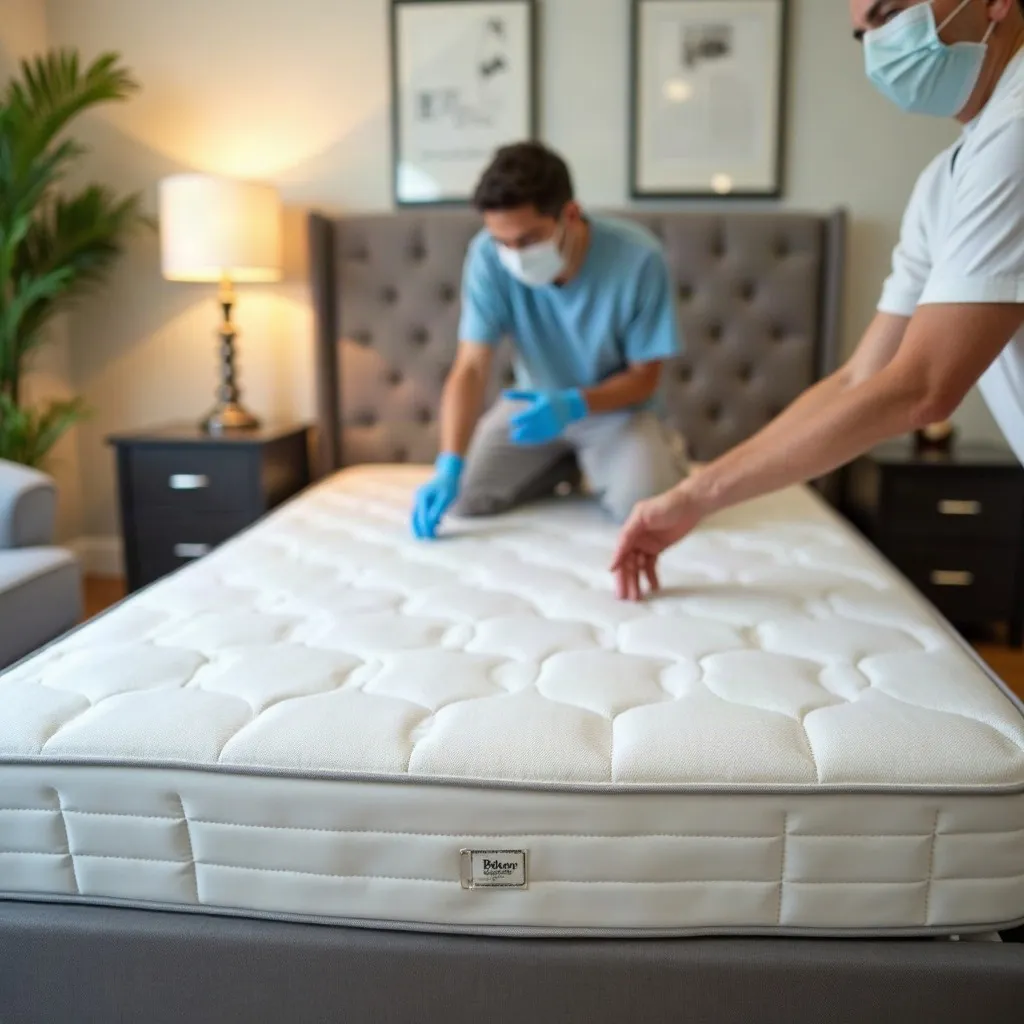
Putting into action effective preventative measures is essential in protecting homes against bed bug invasions. Homeowners should frequently examine sleeping areas, concentrating on seams of mattresses and bed frames. Utilizing defensive mattress encasements can also deter bed bugs from taking shelter. When traveling, it's recommended to keep luggage raised and inspect hotel rooms for signs of bed bugs before unpacking. Additionally, minimizing clutter in living spaces minimizes hiding spots. Regular vacuuming, particularly in areas where pets spend time, can help remove potential hitchhikers. Ultimately, maintaining awareness of neighbors' pest issues can prompt preventative measures, as bed bugs can easily travel between units. By implementing these strategies, residents can greatly reduce the likelihood of future infestations.
Tested Techniques to Eliminate Future Bed Bug Problems
Although bed bug infestations can be difficult to eliminate, using established methods can considerably reduce the likelihood of future incidents. Regular inspections of residential areas are essential; residents should look for indicators of bed bugs, such as discarded exoskeletons or black marks, particularly in bedrooms and around furniture.
Encasing mattresses and box springs in protective covers can prevent bed bugs from nesting. Additionally, minimizing clutter reduces hiding spots, enabling identification easier.
During your travels, guests should inspect hotel rooms for bed bugs and keep luggage elevated and away from beds. Washing and drying clothes on high heat after returning home can eradicate any stowaways.
Lastly, partnering with professional pest control services for scheduled assessments guarantees that any potential issues are addressed promptly. By executing these techniques, individuals can develop an environment resistant to bed bug infestations, promoting long-term peace of mind.
Regular Questions Inquired by Users
How Much Time Does a Normal Bed Bug Extermination Procedure Demand?
A standard bed bug control treatment typically requires between two to four hours, influenced by the severity of the pest problem and the methods applied. Return visits might be necessary for complete removal.
Can Bed Bugs Hurt Pets and Humans?
Bed bugs are not recognized as vectors of diseases to pets or humans, but their bites can generate discomfort, allergic reactions, and skin inflammation. Their presence may result in psychological distress for those impacted.
What Signals Show a Bed Bug Infestation?
Signs of a bed bug infestation include small, reddish-brown bugs, dark spots of feces on bedding, shed skins, and itchy bites on exposed skin. Consistent monitoring can help detect these indicators early on.
Is it Possible for Bed Bugs to Live Without Ingesting Blood?
Bed bugs are capable of surviving for several months without a blood meal, typically lasting approximately two to six months, depending on environmental conditions. Their resilience allows them to sustain themselves through periods without feeding before seeking a host.
How quickly Can I go back Home After Treatment?
Upon procedure finishing, people can usually go home within a few hours. However, it is suggested to wait 24 to 48 hours to assess the success of the procedure and minimize exposure to remaining chemicals.
Report this page